


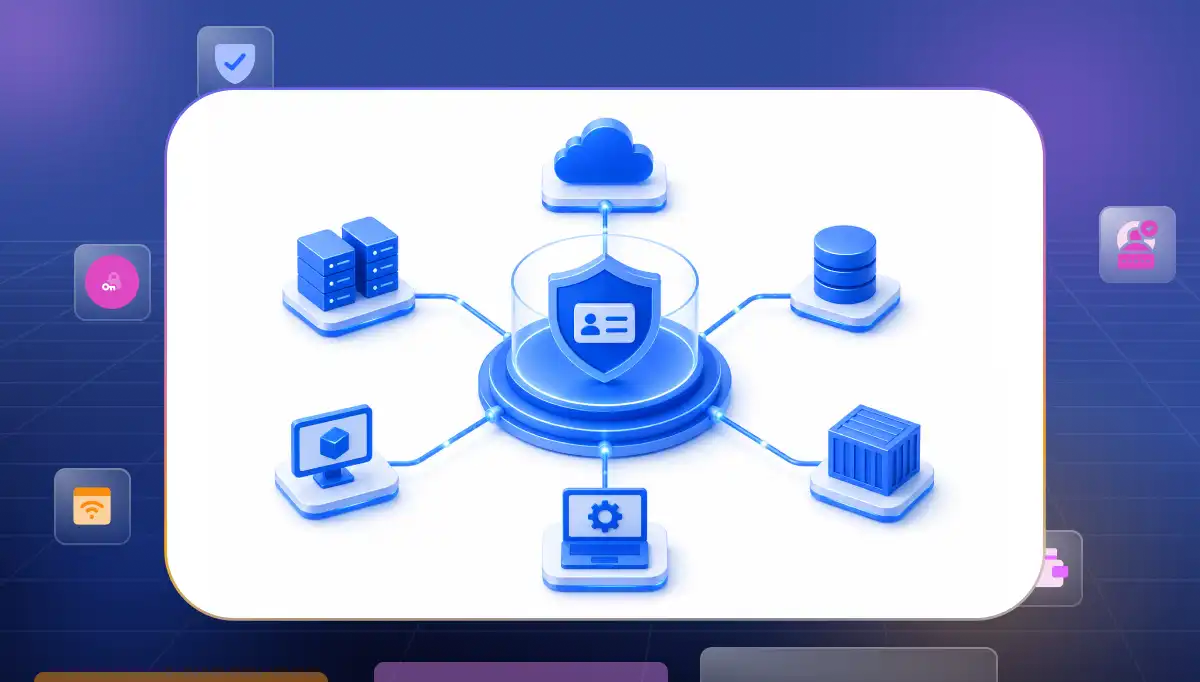

Modern networks depend on machines talking to machines to keep your apps running fast. When those connections lack a standard way to verify themselves, your security becomes a mess of scattered parts.
Adopting Identity Federation for Machines sets up a centralized trust framework that allows your workloads to authenticate consistently across every system automatically. This is the solid foundation you need for a modern, scalable, and secure setup that stays ahead of your growth.
Why Machine Identity Outgrew the Way You Secure It
We used to have just a few servers that were easy to watch. Now we have millions of microservices and cloud functions that change every single second.
You cannot manually track every single connection anymore without losing your grip on your digital world unless you adopt machine identity federation to regain control.
- The Scaling Problem. Everything moves fast because your systems update every single second. Manual security checks are just too slow to keep up with these workflows. Industry data shows that attacks using machine identities have jumped 478 percent in five years, leading to nearly 72 billion dollars in annual losses. This makes manual tracking impossible for teams today. You need automated tools to handle the work and keep your systems safe from these big threats.
- Managing High Complexity. Applications split into thousands of small pieces that all need their own access rights. You cannot manage these individual parts one by one anymore in a busy office.
- Adapting to Dynamic Environments. Machines move between clouds and data centers all the time. Your security must follow them everywhere to remain effective and safe for your business.
What Federation for Machines Actually Changes
Federation relies on workload identity to let systems authenticate using trusted identities and short-lived tokens instead of managing separate credentials everywhere. This approach cuts out the ongoing risk of managing long-lived passwords and keys and other static machine credentials. As Rida Zouaoui from Orange explains, customers need control over their data flow because standard cloud storage is often not enough for modern needs.
- Simplified Access. You manage the identity in one central place instead of updating hundreds of different systems individually. This saves you so much time and effort every single week.
- Better Consistency. Every system sees the same identity for each machine which stops confusion. It prevents those annoying errors in access rights that cause your team extra work.
- Faster Connections. New services start working immediately because they already trust the central identity source you built.
Where Federation Quietly Breaks at Enterprise Scale
Large companies have messy systems that grow over time. When you try to force one rule on a thousand different platforms things often break. It is not always obvious when this happens but the gaps in security become dangerous as you add more tools to your stack.
When Trust Policies Get Too Loose
Sometimes people make trust rules too broad to make things work faster. This means a machine might get access to way more data than it actually needs to do its job. Workload identity federation helps you maintain least-privilege access easily when you combine it with proper authorization policies and access controls.
- The Overpermission Trap. Rules become too wide to ensure smooth function for your daily tasks. Machines gain access to sensitive areas they do not need to perform their work.
- Reduced Visibility. Broad policies hide the true intent of a connection from your team. You lose the ability to see if a machine acts in a strange or abnormal way.
- Increased Attack Surface. Weak policies provide an easy path for unauthorized access into your systems. Attackers look for these gaps to enter your private network and cause trouble.
The Systems You Can't Federate
Some old software simply cannot talk to modern systems because it was built years ago. These legacy tools create blind spots because they stay outside your main security net. Adopting non-human identity management helps you keep track of these hidden machines even when they cannot connect to your modern federation protocols.
- Legacy Tool Isolation. Old servers do not understand modern identity standards at all. They remain disconnected from your central security platform and hide in the shadows. You have to find a way to bring them into your vision.
- Manual Tracking Burden. You must manage these assets using older and manual methods which is tough. This creates a high risk of human error in your important records. Making mistakes here can lead to big problems later on for your team.
- Broken Security Perimeters. These tools exist outside your primary defense and pose a real risk. They provide a hidden backdoor for threats that target your older infrastructure.
When the Logs Don't Match Up
When you use many different systems the records of who did what rarely match. You might see a machine act in one place but have no idea why it did that in another. Proper machine identity management helps correlate activity across all systems so your logs become way easier to trace and investigate.
- Data Silo Conflicts. Different systems record events in unique formats that do not talk to each other. It becomes impossible to create a unified view of what your machines are doing. You need a way to bring all that data together into one clear picture.
- Audit Trail Gaps. Mismatched logs hide critical signs of an active threat trying to enter your system. You miss the story behind the data because the parts do not align perfectly.
- Slow Threat Detection. Security teams spend hours fixing fragmented data instead of stopping real threats. This delay allows attackers to grow and hide within your network for too long.
You Can't See What You Don't Track
If a machine does not have a formal identity it acts like a ghost in your system. You cannot secure what you cannot see or name properly. Many hidden machines run in the background without anyone knowing which is why machine identity security must be a top priority for your operations.
The SolarWinds compromise demonstrated how trusted machine relationships and certificates and privileged access can be abused when visibility and monitoring are insufficient.
- The Shadow IT Problem. Unmanaged machines run without any oversight from your IT team. You cannot protect assets that do not exist in your official inventory.
- Visibility Blind Spots. Hidden processes consume resources without reporting their true purpose to the main dashboard. This creates a massive hole in your security posture that attackers love.
- Policy Enforcement Failures. You cannot apply rules to entities you cannot track or verify. Unidentified machines bypass all your carefully designed security controls with ease.
When AI Agents Break the Rules
AI agents act on their own based on the tasks you give them. They often try to connect to services in ways that standard rules did not expect. Federated machine identity helps establish trusted authentication while authorization policies and runtime controls define the exact boundaries AI agents must follow.
- Unpredictable Behavior Patterns. Agents take actions that standard code never would attempt. Traditional rules struggle to contain these dynamic and autonomous entities that change their minds.
- Unexpected Resource Access. AI tools search for data in ways that bypass normal pathways you built. They find access points that you might have forgotten to lock tightly.
- Policy Deviation Risks. Agents prioritize speed and output over strict adherence to security rules. This forces you to constantly update your access policies to keep up with them.
The Questions to Ask Before You Federate Machine Identity
Do not jump into this without a real plan in place. You need to know what you are actually trying to solve before you connect your systems together. Ask if your current setup can handle the change or if you need to build a better foundation first.
- Ownership Clarity. Make sure you know which team manages the identity data for every single machine. Ownership is the first step toward effective machine identity governance.
- Failure Recovery Plans. Think about what happens if the central system goes down for a bit. You need a way to keep things running during a short system outage.
- Access Removal Steps. Have a clear process for killing an identity when you are done with it. You must remove access the moment a machine is no longer needed.
What You Still Have to Figure Out After Federation Is Done
Federation is just the start of your journey to better security. You still have to monitor what these machines are doing every day. Just because they have a verified identity does not mean they will always do what you expect them to do in the long run.
- Ongoing Monitoring. You must watch the activity of your machines daily to stay ahead. This helps you spot weird behavior before it becomes a real and costly problem.
- Regular Audits. Check your access rules every few months to stay safe. This ensures they are still correct and necessary for your current business needs as you grow.
- Planning for Growth. Your system needs to handle twice as many machines later as you add more. Build a flexible structure that allows for rapid scaling without extra stress.
Get Your Machine Identities Under Control Before They Outpace You
The number of machines in your network will only keep growing as you add more tech. Start by finding all the identities you have today in your inventory. Bring them into one place and put clear rules around them before your network gets too complex to manage on your own terms.
- Find Your Hidden Assets. Start by scanning your entire network to see what machines are actually running. You cannot manage what you do not know about yet in your company. Taking a full count is the only way to start your security journey right.
- Centralize Your Controls. Move every identity into one main place for easier management. This gives you a single dashboard to watch over everything that happens. Having one home for all identities makes your work feel much lighter.
- Automate Your Security Rules. Use tools that set and update rules for you automatically as your network expands. This keeps your security strong without needing constant manual updates from your team.
Streamline your infrastructure and sync your security for full control. Infisign brings every connection into one clear view to remove the stress of managing your network. It turns complex security into a simple and automatic flow, giving you the freedom to grow your business without any fear.
Optimize your architecture and regain complete visibility today. Schedule a technical consultation call with Infisign to build a smarter and more resilient future for your systems.
FAQ
What is identity federation for machines?
This process lets different systems trust one central point to check who a machine is. It reduces reliance on long-lived passwords and allows machines to authenticate using trusted identities and short-lived credentials.
How is machine identity federation different from secrets management?
Secrets management focuses on securely storing and rotating and distributing credentials like passwords and API keys and certificates while workload identity federation focuses on authenticating workloads using trusted identities and short-lived credentials.
Do AI agents need their own machine identity?
Yes, they definitely do. Since these tools work on their own across many apps, giving them a unique sign-in is the only way to track what they do and keep your data safe.
What's the biggest risk after adopting workload identity federation?
The main risk is giving machines too much power by accident. If your rules are too open, a machine might reach data it does not need to do its job properly.
How does federated machine identity affect compliance audits?
Using this method improves audit visibility by centralizing identity records and making machine activity easier to trace.


