


Trying to keep cloud permissions under control can honestly drive you crazy once your team starts growing and spinning up new servers every day. That is why picking one of the Best CIEM tools is such a massive game changer for your setup.
Instead of drowning in endless lists of access keys and risky roles these platforms automatically map out who can touch what. They help you find hidden blind spots and lock down your accounts before anything goes wrong.
What Separates a Real CIEM Tool From a Dashboard
Cloud infrastructure entitlement management tools help you clean up messy permission lists and automatically spot hidden risks across major cloud platforms. Emerging from the Gartner 2020 Cloud Security Hype Cycle, these solutions go beyond basic dashboards to mitigate cloud access risks.
1. Wiz
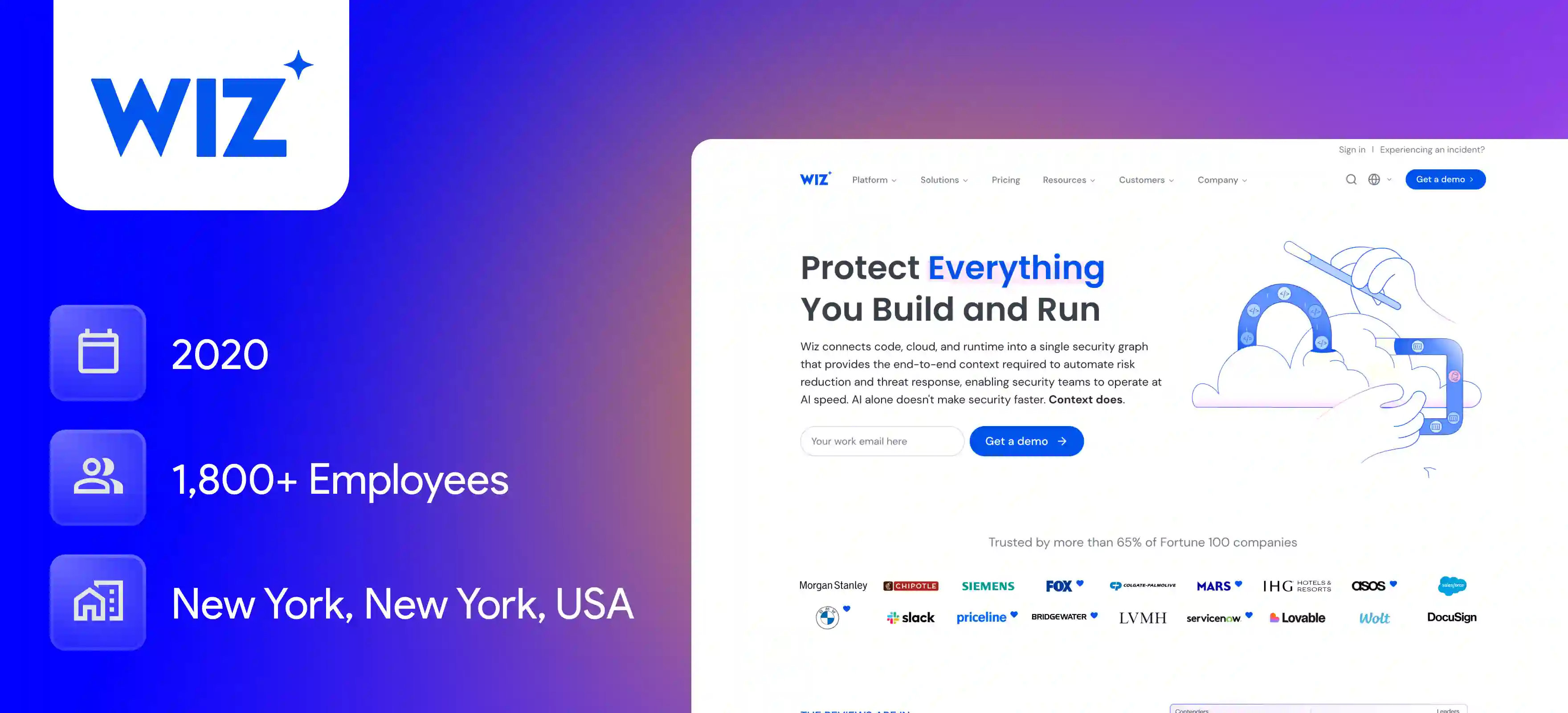
Protecting cloud environments gets straightforward when you use platforms that map out access routes cleanly and CIEM security gives you clear visibility without needing agents installed everywhere.
Key Features
- Effective permissions. Shows a clear map of user and machine access so you can see who holds real power. It checks cloud policies without adding heavy software to your workloads.
- Attack path analysis. Spots dangerous combinations of exposed secrets and bad settings. The system highlights the riskiest routes so your team can fix them first.
- Non-human tracking. Keep an eye on service accounts and automated tools across your infrastructure. It flags over-powered accounts that could leak data.
Pros
- Setup is fast and starts working quickly across cloud accounts.
- Links permissions directly to server flaws and attack paths.
Cons
- Pricing can be high for smaller teams.
- The volume of alerts can feel overwhelming at first.
2. SailPoint

Managing cloud permissions across complex enterprise environments gets tough as multi-cloud footprints expand, and SailPoint CIEM steps in as a robust solution to handle these growing demands. It provides deep visibility and continuous governance to help security teams enforce least privilege rules smoothly.
Key Features
- Multi-cloud visibility: Maps out identities and access paths across AWS, Azure, and Google Cloud through a single unified interface.
- AI-driven role optimization: Automatically analyzes real usage data to recommend precise access rights, scaling down privileges safely as job functions change.
- Outlier scoring: Leverages machine learning to flag high-risk permissions and unusual entitlement spikes for immediate security review.
Pros
- Seamlessly covers major multi-cloud environments in one unified dashboard.
- Uses intelligent automation to reduce permission sprawl without hurting productivity.
Cons
- Implementation requires careful planning for large-scale enterprise rollouts.
- Advanced governance features carry enterprise-tier pricing.
3. Infisign UniFed
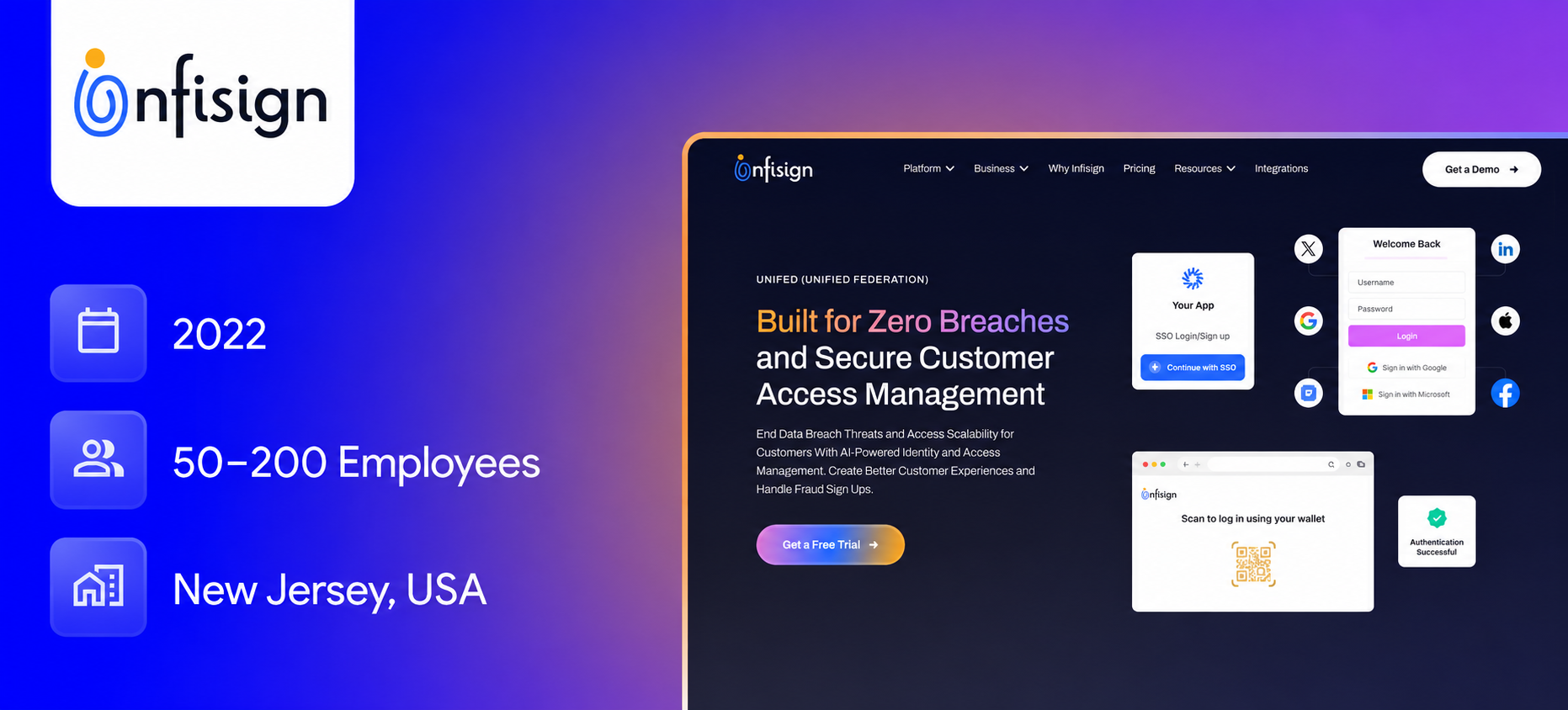
Securing enterprise workflows means keeping cloud permissions and user logins tied together, and identity solutions help organizations manage workforce boundaries tightly. Feedback on forums highlights its modern setup and strength in handling automated machine accounts alongside user access.
Key Features
- Unified access control. Connects thousands of cloud apps and internal tools under one roof. Administrators handle all user entry points from a single dashboard.
- Lifecycle automation. Adds or removes access automatically as people switch roles or leave the company. It stops old accounts from staying active.
- Passwordless security. Replaces traditional passwords with device checks and biometrics. Users log in without typing vulnerable text codes.
Pros
- Connects thousands of cloud apps and internal tools under one roof.
- Handles automated machine accounts and workforce boundaries tightly.
Cons
- Passwordless authentication requires the encrypted password vault to be enabled.
4. Tenable Cloud Security (formerly Ermetic)

Finding permission mistakes hidden deep inside cloud setups needs deep analytics and cloud infrastructure entitlement management helps expose risky data exposure paths. Tenable Cloud Security provides automated remediation capabilities and visibility into cloud identities, permissions, and storage resources.
Key Features
- Granular asset mapping. Lists identities, roles, and resource policies across cloud accounts. It tracks how users connect to sensitive databases and storage.
- One-click remediation. Creates safe fix scripts to take away excessive permissions instantly. Engineers patch IAM mistakes without breaking active apps.
- Compliance alignment. Checks cloud settings against frameworks like SOC 2 and HIPAA continuously. It flags issues before audit time rolls around.
Pros
- Creates safe fix scripts to take away excessive permissions instantly.
- Tracks how users connect to sensitive databases and storage buckets.
Cons
- Initial deployment takes time to map complex multi-cloud environments properly.
- Pricing is on the higher side for enterprise tiers.
5. Palo Alto Prisma Cloud
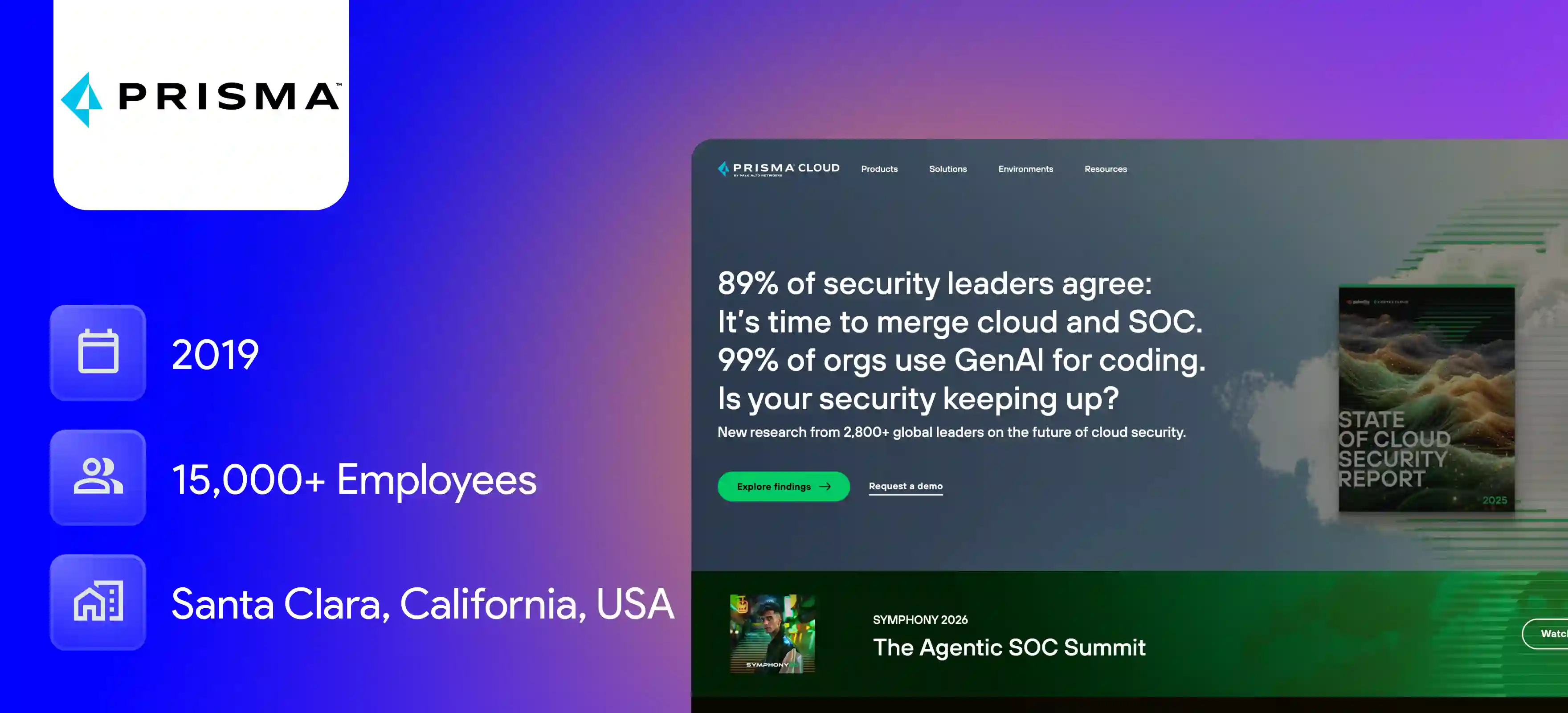
Securing cloud native apps means watching container setups closely and CIEM security gives teams deep visibility into complex microservices. Prisma Cloud combines cloud security posture management, workload protection, and identity-related security capabilities within a unified CNAPP platform.
Key Features
- Identity graph analysis. Connects user permissions with workload bugs to show full attack chains. It spots minor flaws before they turn into major breaches.
- Behavioral monitoring. Tracks strange permission used to catch hacked accounts right away. It triggers alerts when someone pings sensitive data at odd hours.
- Policy enforcement. Puts guardrails across dev pipelines before code reaches production. It blocks insecure IAM templates early.
Pros
- Connects user permissions with workload bugs to show full attack chains.
- Puts guardrails across dev pipelines before code reaches production.
Cons
- Configuring custom rules and policies requires a steep learning curve.
- Agent management can occasionally slow down workloads.
6. CrowdStrike Falcon Cloud Security
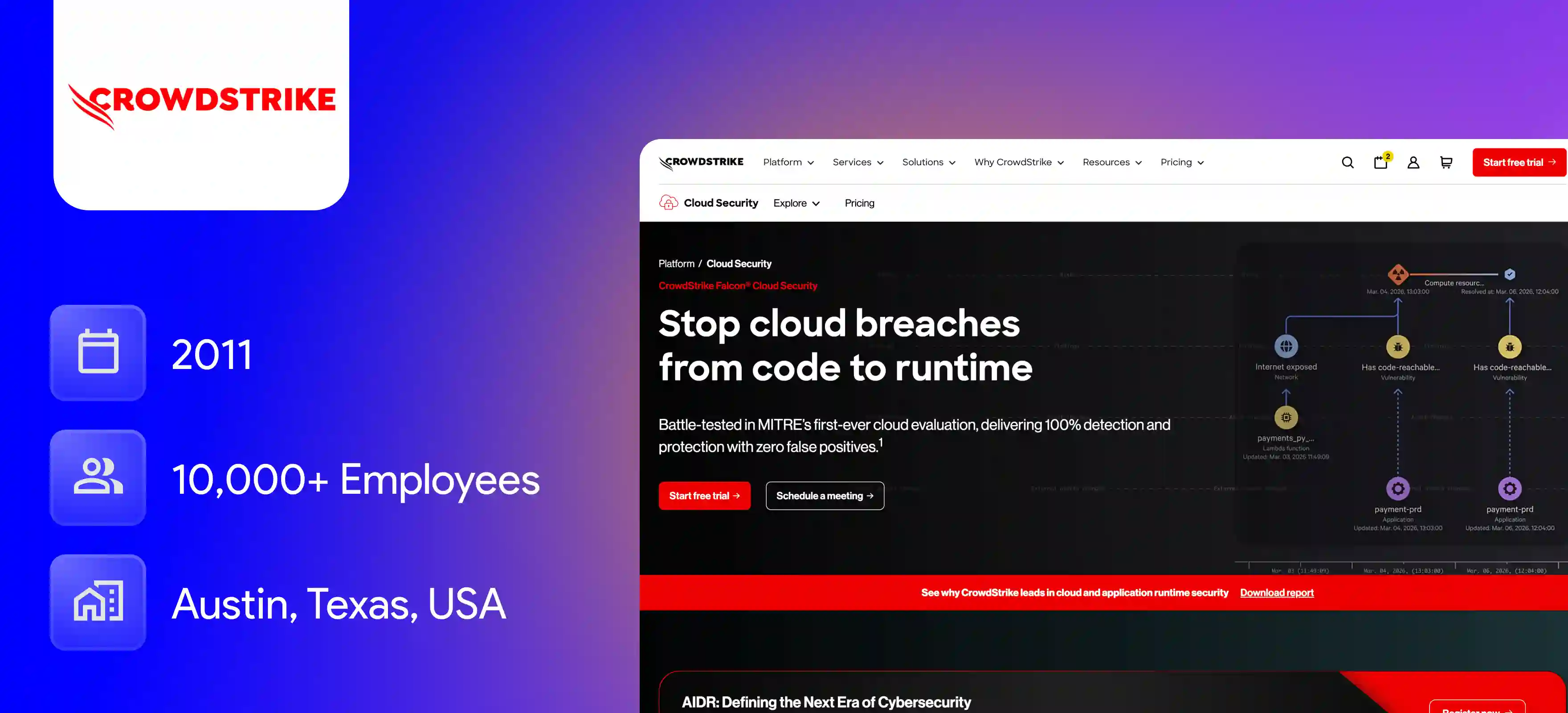
Stopping active cloud breaches requires watching runtime behavior and CIEM tools track live cloud identities to catch threats early. CrowdStrike Falcon Cloud Security combines cloud security with threat detection capabilities to help security teams investigate cloud-related threats.
Key Features
- Runtime protection. Monitors live cloud workloads and API calls at the same time. It links privilege abuse with broader threat intelligence.
- Credential hygiene checks. Scans code repos and config files for leaked API keys. It warns security staff before bad actors grab exposed secrets.
- Unified telemetry. Combines host activity logs with cloud permission data into one timeline. Responders trace movement across virtual machines easily.
Pros
- Monitors live cloud workloads and API calls at the same time.
- Scans code repos and config files for leaked API keys.
Cons
- This Platform can be expensive for mid-sized organizations with tight budgets.
- Users report occasional false positives in active threat alerts.
7. Sonrai Security
Locking down access to core data assets requires specialized tools and CIEM solutions that focus heavily on data governance and object storage. Sonrai Security provides visibility into identities, permissions, and third-party access across cloud environments.
Key Features
- Data-centric auditing. Maps who can read or change sensitive databases and storage buckets. It cuts through noise to show direct paths to critical files.
- Third-party oversight. Inspects vendor access and contractor permissions across cloud accounts. It spots inactive accounts that linger too long.
- Automated certification. Simplifies regular access reviews by asking resource owners to validate permissions. Business leaders approve or deny access quickly.
Pros
- Maps who can read or change sensitive databases and storage buckets.
- Simplifies regular access reviews by asking resource owners to validate permissions.
Cons
- Initial onboarding requires significant time to set up data governance rules.
- Smaller teams might struggle with the complexity of deep data mapping.
8. Britive

Giving DevOps teams fast access without leaving permanent open doors is hard and cloud infrastructure entitlement management handles just-in-time permissions on demand. Britive provides just-in-time privileged access designed to reduce standing administrative privileges.
Key Features
- Just-in-time elevation. Grants temporary high-level access to developers only when requested. Permissions expire automatically once the task wraps up.
- Secret management. Rotates database credentials and API tokens after every use. It stops hardcoded passwords from hiding in source code.
- Approval workflows. Puts access requests straight into chat tools. Team leads authorize privilege bumps in seconds.
Pros
- Grants temporary high-level access to developers only when requested.
- Rotates database credentials and API tokens after every use.
Cons
- Integration with legacy systems can require extra custom work.
- Initial workflow configuration takes careful testing.
9. CyberArk Secure Cloud Access
Managing high-risk admin actions in enterprise environments takes strong vaulting and CIEM security extends traditional privileged access management into the cloud. CyberArk Secure Cloud Access provides privileged access controls designed to help organizations secure administrative access to cloud resources.
Key Features
- Session isolation. Routes cloud management console sessions through secure proxy layers. It records administrator actions live for security reviews.
- Privilege isolation. Keeps normal dev tasks separate from heavy root functions. It limits damage if an account gets compromised.
- Audit readiness. Builds immutable activity logs that satisfy strict regulatory rules. Auditors verify access history without hassle.
Pros
- Routes cloud management console sessions through secure proxy layers.
- Builds immutable activity logs that satisfy strict regulatory rules.
Cons
- Setting up session isolation requires deep technical knowledge.
- Steep learning curve can slow down initial team adoption.
10. Saviynt

Bridging local directories with cloud entitlements needs deep identity integration and CIEM tools connect hybrid IT environments smoothly. Saviynt includes identity governance capabilities such as role mining, access reviews, and role of access governance controls.
Key Features
- Hybrid governance. Connects cloud entitlements with legacy enterprise directories under one policy framework. Security teams manage everything from one place.
- Role mining. Looks at past behavior to build optimized role based access structures, cleaning up bloated entitlements by grouping similar needs.
- Segregation of duties. Spots conflicting permission assignments that bypass operational controls. It blocks policy violations before accounts get created.
Pros
- Connects cloud entitlements with legacy enterprise directories under one policy framework.
- Looks at past behavior to build optimized least-privilege roles.
Cons
- Deployment timelines can stretch out due to complex hybrid setups.
- The administrative interface feels heavy and cluttered.
H2: Where CIEM Ends and Identity Governance Begins
Cloud infrastructure entitlement management tools do a great job fixing permissions and mapping out risks inside server environments, but they stop right at the edge of human identities and everyday business apps.
That is where identity governance takes over, connecting cloud resource rules with actual user accounts, lifecycle management, and daily login controls to secure the entire organization from end to end.
Infisign UniFed steps in right at this exact boundary as a modern identity platform, blending customer and workforce access management so teams can handle logins, permissions, and security policies smoothly under one roof.
- Connects thousands of cloud apps and internal business tools under a single policy framework for complete administrative visibility.
- Automates full identity lifecycles from first day onboarding to offboarding so old accounts never stay active.
- Replaces vulnerable text passwords with biometric checks and device passkeys for smooth and secure logins.
- Enforces strict risk policies and multi-factor authentication across customer and employee access points without slowing down work.
If you want to tighten up your cloud permissions and stop stressing over messy access roles, take a look for yourself. Head over to the Infisign demo page and check out how it works.
FAQ
What is a CIEM tool?
A cloud infrastructure entitlement management tool helps security teams track user and machine permissions across different cloud platforms. It spots over-powered accounts and fixes dangerous access gaps before bad actors strike.
What's the difference between CIEM, CSPM and CNAPP?
CIEM focuses strictly on managing cloud permissions and user identities. CSPM checks cloud configurations for security compliance while CNAPP combines everything into one platform covering both infrastructure settings and workload runtime threats.
Do I still need CIEM if I already have IAM or PAM?
Yes, because traditional IAM and PAM tools manage standard user logins and vaults but struggle to see complex permission chains across multi-cloud infrastructure where CIEM specializes.
Can a CIEM tool enforce least privilege automatically?
Most tools analyze daily usage patterns to recommend safer permission levels. Many platforms can also apply automated fix scripts or let you drop excessive privileges with a single click.


