


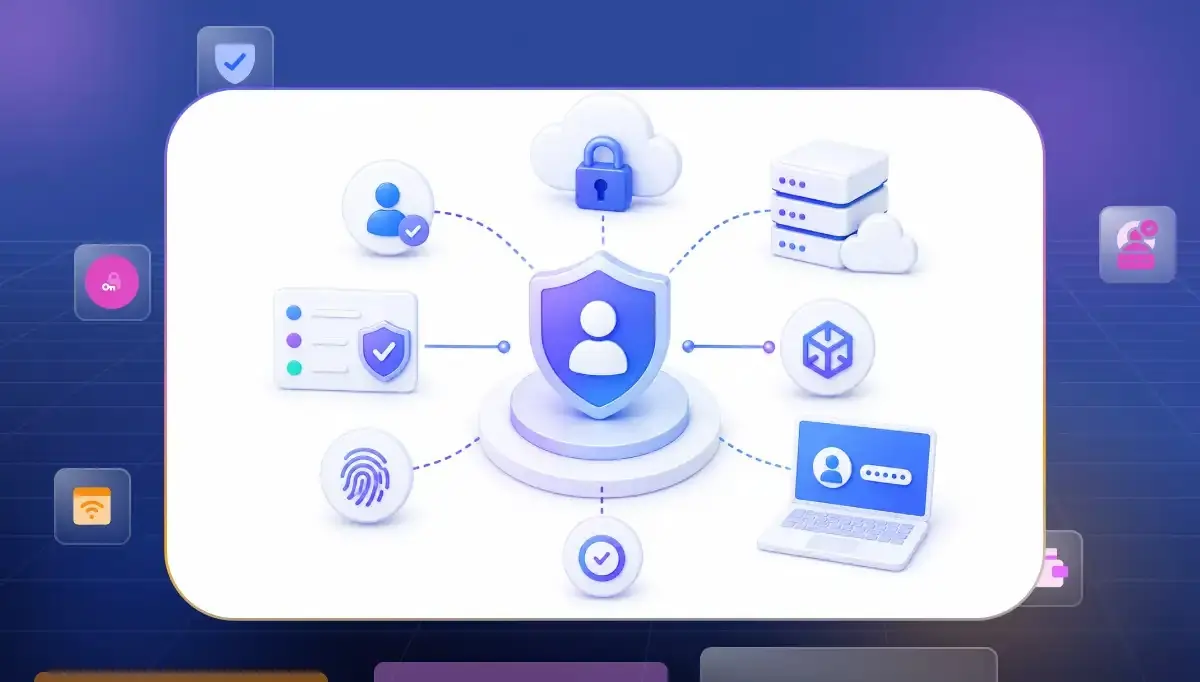

Cloud systems move fast. Containers start and stop all day. Services connect across many clouds. Many traditional IAM systems were designed for stable networks and centralized applications, but cloud-native environments need trust models that can adapt continuously as workloads move across infrastructure.
That is why best practices for managing federated identity in cloud-native environments are important for modern security teams. Good federated identity helps users, workloads, and services stay secure inside large cloud systems.
Why Cloud-Native Environments Break Traditional Federation Models
Older systems liked stable environments. One app, one server, one network. Modern cloud systems work very differently. Services move between cloud clusters and regions all day. That is why federated identity management now needs to handle constant movement instead of fixed infrastructure.
Many companies still build identity around humans logging in. Modern cloud-native environments now depend heavily on workloads, APIs, containers, service accounts, and automated service-to-service communication.
Older federation models were not built for this level of machine-driven activity, which is why they start breaking under pressure as systems grow.
- Ephemeral Workloads. Some workloads live for only a few minutes. Old identity systems expect things to stay around for much longer. Long-term trust becomes dangerous when systems keep changing every moment.
- Service Sprawl. Modern apps are broken into many small services talking to each other constantly. After some time nobody fully knows which service trusts which one. The system slowly becomes harder to understand.
- Multi-Cloud Complexity. Every cloud platform speaks a little differently. Teams try to manage multi-cloud identity management rules across all environments at the same time. Small differences slowly create cracks inside security.
- Static Secret Risk. Many federated identity environments still rely on API keys stored inside files, pipelines, and deployment systems. Those secrets often remain active for long periods of time. One forgotten key can keep unauthorized access alive for months.
- Limited Runtime Visibility. Many identity systems only watch the login moment. Modern attacks usually happen later after trust is already given. Companies often cannot fully see what workloads are doing inside the system.
Federated Identity Management Best Practices for Cloud-Native Teams
Modern federated identity systems also rely on different protocols for different trust functions. SAML is commonly used for federated authentication across enterprise systems, OAuth 2.0 helps manage authorization between applications and services, and OpenID Connect adds an authentication layer on top of OAuth for modern user identity verification in cloud environments.
The goal is not only security. The goal is building systems that stay safe without making engineering slow and painful.
Keep Workload Identity Separate from Human Identity
Humans and workloads are not the same thing. Humans pause and make choices. Workloads run automatically every second. Giving both the same identity rules usually creates confusion.
Many security teams now separate human identity from workload identity. That makes systems easier to understand and easier to protect.
- Policy Isolation. Humans and machines need different rules because they behave differently. One policy should not control everything together. Separate rules create cleaner trust boundaries.
- Reduced Blast Radius. One broken workload should not affect the whole federated identity environment. Separation helps stop problems from spreading too far. Smaller trust zones make recovery easier.
- Operational Clarity. Security teams understand incidents faster when human activity and workload activity are separated. Clear logs remove confusion during stressful moments.
Default to Short-Lived Credentials, Not Static Keys
Long-term secrets create long-term danger. Cloud systems move fast but static keys stay around for months or years. That mismatch slowly creates risk in the background.
Modern systems now prefer temporary credentials that disappear quickly. Short trust is often safer than permanent trust.
- Automatic Rotation. Many modern identity platforms support automated issuance, renewal, and rotation of short-lived credentials through orchestration and identity automation workflows. Teams do not need to remember every secret manually. The system keeps cleaning itself over time.
- Lower Secret Sprawl. Permanent keys slowly spread across repositories, tools and servers. Short-lived credentials reduce how many secrets exist in the environment. Fewer secrets usually mean fewer hidden risks.
- Faster Revocation. Temporary credentials in federated identity systems naturally expire after some time. Old trust fades away on its own, which helps identity environments stay healthier as they grow.
Push Access Controls Down to the Service Layer
Old security models trusted everything inside the network. Modern cloud systems are too large for that kind of thinking. Trust now needs to happen closer to the workloads themselves.
Modern systems check more than identity alone. They also look at behavior, movement, and runtime conditions before allowing access.
Recent federated identity research highlights service mesh integration and token translation as important for securing multi-cloud microservices and maintaining consistent trust policies across distributed environments.
- Context-Based Decisions. Services should understand where requests come from and how workloads are behaving. Smart systems ask questions before giving trust. That creates stronger protection.
- Granular Authorization. Workloads should only receive the access they truly need. Small permissions reduce unnecessary danger. Limited access also makes mistakes easier to control.
- Zero Trust Alignment. Internal traffic should not receive free trust just because it lives inside the network. Continuous checking helps stop hidden movement across systems.
Automate the Entire Identity Lifecycle
Cloud-native systems move too fast for manual identity work. Humans cannot rotate, revoke and manage thousands of credentials every day. Automation becomes necessary when environments grow larger.
According to recent cloud security research highlighted by SentinelOne, 83% of organizations experienced at least one cloud security incident during the past 18 months. Weak credential management and excessive long-term access remain major contributors to identity-related risk across cloud-native environments.
Modern identity systems now connect directly with deployment pipelines and orchestration platforms. In modern federated identity management, identity starts moving automatically with the infrastructure.
- Automated Provisioning. New workloads should receive identities automatically during deployment. Many identity systems now use SCIM to automate provisioning, deprovisioning, and identity sync across cloud apps. Fast setup reduces human mistakes and saves engineering time.
- Continuous Rotation. Tokens, certificates, and workload identities in federated identity systems should refresh automatically in the background. Security becomes part of the infrastructure instead of a manual task list.
- Lifecycle Cleanup. Workloads that are terminated should lose their identities and access as quickly as possible. Old identities should not remain active after the workload is gone. Fast cleanup keeps trust systems cleaner.
Build Audit Trails Beyond the IdP
Login activity only shows one small part of the story. Modern attacks often happen after authentication succeeds which creates major federated identity security challenges. Security teams now need visibility into what workloads actually do after entering the system.
Cybersecurity evangelists like Alankriti Rajput have also highlighted how attackers exploit weak federation trust relationships across hybrid cloud environments. Misconfigured trust settings and weak token validation can allow threat actors to impersonate trusted identities and move across connected systems without immediate detection.
Good visibility helps teams understand behavior, not only access. That difference matters during real incidents.
- Runtime Telemetry. Teams need to see how workloads communicate across services and clusters. Strange behavior often appears there first. Visibility helps catch problems earlier.
- Authorization Logging. Systems should record access decisions continuously. Good logs help teams understand what really happened during investigations.
- Behavior Tracking. Sudden changes in workload behavior often signal danger before alerts appear. Watching behavior creates earlier warning signs.
Treat Federation as Infrastructure
Federation is no longer just a login feature. In cloud-native systems, an identity federation solution affects reliability, scaling, and daily operations. Trust now flows through every part of the infrastructure.
Modern companies increasingly treat identity like networking and platform engineering. That mindset creates stronger and more stable systems.
- Platform Ownership. Identity should grow together with Kubernetes, cloud infrastructure, and deployment systems. Security works better when identity becomes part of the platform itself.
- Engineering Integration. Federation should connect naturally with automation workflows and runtime systems. Identity becomes stronger when it moves together with engineering operations.
- Scalable Trust Models. Growing infrastructure should not create identity chaos. Strong federation architecture helps systems grow without losing control over trust.
Can Your Current Federation Setup Actually Handle Scale?
Small systems feel easy in the beginning. Everyone knows what connects where. Everyone remembers which service trusts which one. The federated identity management system feels clean and simple.
Then the company grows. More workloads appear. More clouds get added. More services start talking to each other every second. Slowly the federated identity management environment starts feeling like a huge city with too many roads. People still move inside it, but fewer people understand the full map anymore.
- Permission Growth. Permissions keep getting added little by little. Old access usually stays there even when nobody needs it anymore. Over time the system starts carrying trust it forgot to clean up.
- Identity Drift. Different teams slowly create different identity rules. One cloud works one way and another cloud works differently. The system slowly stops feeling connected together.
- Operational Bottlenecks. Humans cannot keep managing everything manually forever. Too many approvals, too many secrets and too many identity requests start slowing everybody down. The work becomes heavier every day.
- Audit Complexity. Important identity information lives inside many different places. Security teams try to connect all the pieces during investigations. Finding the full story becomes difficult.
- Hidden Trust Chains. One service trusts another and that one trusts something else again. After some time trust spreads everywhere like roots under the ground. Nobody fully sees how far it reaches anymore.
How to Build a Federation Architecture That Doesn't Break Under Growth
Good identity systems should grow peacefully with the environment. Trust should move naturally without creating confusion and fear everywhere. The best systems are usually the ones that stay simple even while becoming very large.
Modern cloud-native environments move very fast. Identity systems now need to move like water instead of stone. They need to adapt continuously without breaking apart under pressure.
- Centralize Identity Standards. Teams should follow one shared way of managing identity everywhere. Shared rules make the environment feel calmer and easier to understand. Simplicity helps systems grow safely.
- Use Workload-Based Trust. Modern systems should trust verified workloads instead of old permanent secrets. Dynamic workloads identity and short-lived trust relationships help reduce the risks that come from persistent credentials and outdated trust connections. Living trust is safer than forgotten trust.
- Automate Policy Enforcement. Security rules should move automatically with deployments and workloads. Humans should guide the system, not carry every small task alone. Automation helps trust stay consistent.
- Reduce Long-Term Access. Long-term credentials slowly collect danger in the background. Temporary trust disappears naturally after some time. Short trust keeps the environment lighter and cleaner.
- Build Visibility Early. Teams should see how workloads behave from the beginning. Good visibility helps people understand the system before problems become larger. What we can see clearly becomes easier to protect.
- Design for Failure. Every system eventually faces mistakes, broken trust or bad credentials. Strong systems accept this reality early instead of pretending nothing will ever go wrong. Smaller trust zones help stop pain from spreading too far.
Infisign helps modern teams manage identity across cloud apps, workloads, and users with centralized IAM, automation, MFA, and zero-trust access controls. Connect with the team to see how modern federation security can scale without creating operational complexity.
FAQs
How do you enforce consistent access policy across AWS, Azure, and GCP simultaneously?
Every cloud speaks a little differently. Many companies create one shared identity model first and then apply it across all clouds automatically. The goal is making trust feel connected everywhere instead of scattered apart.
What is federated identity management in cloud-native environments?
Federated identity management allows users, applications, and workloads to access multiple systems through trusted identity providers instead of managing separate credentials across every environment. In cloud-native environments, this trust usually works through workload identity, temporary credentials, and continuous verification.
What are the most common federated identity mistakes in cloud-native environments?
Many companies keep old credentials alive for too long. Some mix human identity and workload identity together which slowly creates confusion. Others only watch login activity and miss what workloads are doing after entering the system.


