


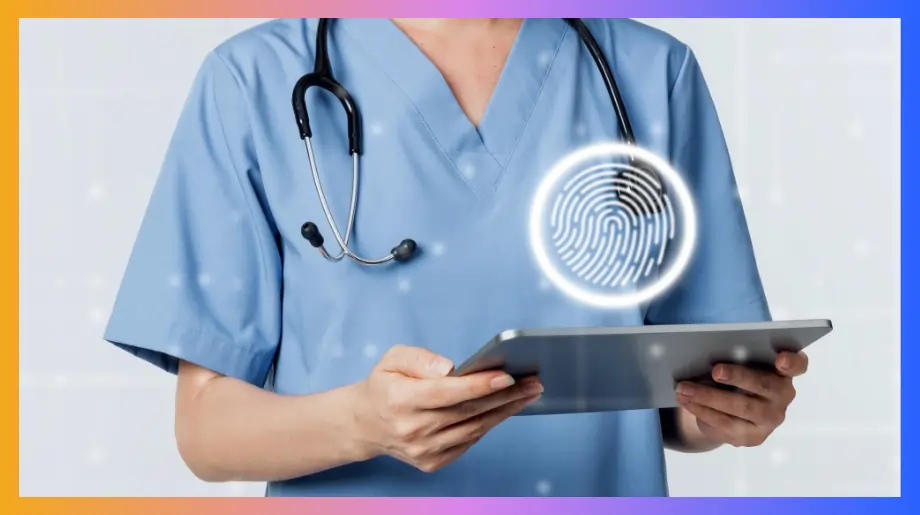

Healthcare is no longer limited to hospital buildings. Patient data now moves between clinics, labs, pharmacies and telehealth platforms in seconds. At the same time cyberattacks and insider misuse are rising across the industry. Password based identity systems were never built for this level of complexity or speed.
Biometrics in healthcare brings identity back to the human by linking access to real physical and behavioral traits. Read this article to understand where identity systems break down today and how biometrics helps healthcare organizations protect patients, staff and trust without slowing care.
Why Identity Is Failing in Healthcare?
Healthcare identity fails because it was designed for offices not hospitals. Doctors, nurses and staff move fast and make quick decisions all day. They cannot stop again and again to remember passwords. When systems slow them down they find their own shortcuts and security starts breaking. This is where real risk begins.
- Password Fatigue. Staff use many systems in one shift. Each system needs a login. People forget passwords and reuse them everywhere. When one password leaks, attackers can walk into many systems at once. This is why biometric access in healthcare is becoming necessary.
- Shift Chaos. Hospitals work twenty four seven. Staff change every few hours. Shared computers stay open because no one has time to log out properly. The next person can access patient data without any real check.
- Hidden Access. Many systems work in silos. Lab system, billing system, imaging system all run separately. IT teams cannot clearly see who accessed what. This makes insider misuse very hard to detect.
- No True Ownership. When passwords are shared no one knows who actually opened a patient file. If a mistake happens there is no clear answer. Healthcare cannot afford this kind of blind trust.
What Challenges Biometrics Really Solves?
Biometrics fixes the root problem which is false identity. A password proves nothing about the real person. Biometrics proves presence. It proves that the real human is standing in front of the system. This is the real strength of biometrics in healthcare.
- Human Proof. A fingerprint face or iris is highly unique to an individual. It cannot be emailed or written on paper. This removes fake identity from healthcare systems.
- Patient Safety. Hospitals still create duplicate patient records. This leads to wrong treatments and billing errors. Biometrics links the patient directly to their real identity.
- Speed With Trust. Doctors want fast access not weak access. Biometrics gives both. One touch or one look is enough to open systems safely.
- Control at Scale. When every access is biometric IT teams can manage identity across hundreds of systems. This builds a strong healthcare identity management foundation.
Does Biometrics Improve Healthcare Security or Create New Risk?
Biometrics improves security when it is designed with care. It removes the weakest part of healthcare security which is passwords. But it must be protected like patient data itself.
- Attack Reduction. In 2023, around 79.7 percent of healthcare data breaches were linked to hacking incidents that often begin with stolen credentials. Biometrics removes that entry point. Attackers cannot steal a fingerprint from an email.
- Clear Accountability. Every login is tied to a real person. No more shared identity. No more guessing who accessed what. This is critical for audit and legal protection.
- Privacy Protection. Biometric data is very sensitive. It must be encrypted and never stored as raw images. When protected properly it is safer than passwords.
- Long Term Trust. With strong biometric authentication methods used in healthcare patients and staff feel safer. Trust grows when systems know the real person behind every action.
Types of Biometrics Used in Healthcare
Hospitals do not use only one biometric method. They use different types of biometric authentication because every place inside a hospital works in a different way. A nurse station needs very fast access while a drug room needs very strong protection.
Doctors working online with patients also need safe identity checks. Biometrics helps all of these situations without slowing down care. That is why hospitals depend on multiple biometric methods instead of only one.
Fingerprint Biometrics
Fingerprint scanning has become a trusted way to protect hospital systems. Many organizations now rely on biometric access in healthcare to replace weak password based logins. Doctors and nurses move fast between rooms and systems and fingerprint login fits perfectly into daily routines.
- Instant Access. Fingerprint login completes in seconds. Clinicians reach patient records without slowing down care. Workflow stays smooth across shifts.
- Personal Proof. Every fingerprint belongs to only one person. Access cannot be shared with coworkers. Identity accountability improves across departments.
- Shared Device Safety. Hospital workstations serve many users during the day. Fingerprint verification confirms the real user before access.
- Easy Expansion. Fingerprint readers install quickly in new areas. IT teams scale deployment step by step. Daily operations continue without disruption.
Facial Recognition
Doctors and nurses often carry equipment or wear gloves so typing passwords becomes annoying. Cameras solve that problem by checking identity in the background through facial authentication. Many healthcare organizations now use biometric identification in healthcare to protect patient records without slowing down care.
- Contact Free Login. Hands stay free and clean because no device needs to be touched. In busy wards that helps reduce contamination risks. Nurses do not worry about hygiene while accessing systems.
- Natural Workflow. Clinicians already look at the screen when working. Facial login blends into that normal behavior.
- Identity Confidence. Every face has unique features. Systems verify the real person rather than a borrowed password.
- Emergency Use. In critical situations staff wear masks and protective gear. Some healthcare grade facial systems are designed to work even in these conditions. Access stays fast even under pressure.
Iris and Retina Scanning
Hospitals protect drug rooms, research labs and restricted records with eye based identity checks. Eye patterns stay stable over a lifetime and are and are extremely difficult to replicate. Many organizations include iris scanning as part of broader advantages of biometrics in healthcare because accuracy remains extremely high.
- Extreme Accuracy. Eye patterns are far more unique than fingerprints. False matches stay very low. Security teams trust identity results.
- Long Term Reliability. Iris data does not change much with age. Re enrollment rarely becomes necessary. Identity stays consistent for years.
- Critical Area Protection. Medication stores and controlled research areas require maximum control. Eye scanning blocks unauthorized entry. Risk stays contained.
- Privacy Respect. Modern systems store encrypted templates only. Raw eye images never stay in storage. Patient and staff privacy remains protected.
Voice Biometrics
Healthcare increasingly happens outside hospital walls. Patients consult doctors through calls and virtual visits every day. Voice recognition fits naturally into these workflows and supports biometric authentication methods used in healthcare. Identity checks happen during normal conversation. Telehealth becomes safer without adding friction.
- Remote Identity. Patients prove identity through voice during calls. No need for long security questions. Care feels more personal.
- Fraud Control. Voiceprints block impersonation attempts. Call center fraud drops significantly.
- User Comfort. Speaking feels easier than typing codes. Elderly patients find voice much simpler.
- Workflow Speed. Authentication runs during normal conversation. No extra steps interrupt care delivery. Virtual care stays smooth.
Behavioral Biometrics
Behavioral biometrics adds protection after login. Systems watch how users type, move and navigate applications. Patterns become a digital fingerprint over time. Many hospitals now apply behavioral analysis as part of stronger healthcare identity management programs.
- Always On Protection. Identity checks never stop during a session. Suspicious behavior is detected early. Breaches get blocked faster.
- Invisible Security. Staff do not notice extra controls. Daily work continues naturally. Security runs quietly in the background.
- Insider Detection. Stolen sessions stand out through behavior changes. Security teams receive alerts before damage occurs.
- Adaptive Trust. Systems learn normal user behavior. Trust levels adjust automatically.
How Security and IT Teams Should Evaluate Biometric Technologies
Before buying any biometric system IT and security teams need to slow down and really think. Healthcare environments are complex and rushed decisions often create new problems. Every hospital has different workflows and risk levels. Choosing the wrong technology can break trust instead of building it.
- Accuracy Standards. Teams must study false match rates and failure cases. High error rates frustrate clinicians. Low accuracy damages trust in security systems.
- Privacy Controls. Biometric data is personal health related information. Storage must rely on encryption and template based protection. Legal exposure must be minimized.
- Workflow Fit. Authentication must match clinical routines. Doctors should not change habits just to satisfy security. Technology must adapt to people.
- Integration Scope. Identity tools must connect to EHRs lab systems and remote platforms. Silos defeat identity protection goals. Central control matters.
How to Implement Biometrics in Healthcare Without Creating New Risk
Biometric deployment must be careful and gradual. Rushed rollout creates fear and confusion among staff. Trust builds only when people understand why identity protection matters. Biometrics in healthcare works best when it feels supportive, not invasive. Planning keeps both security and culture strong.
- Risk Assessment. Hospitals must map sensitive systems first. Drug systems and patient records need early protection. Low risk areas can follow later.
- Staff Education. Teams must explain how biometric identity protects patients. Fear fades when purpose is clear. Adoption improves naturally.
- Secure Storage. Biometric templates must stay encrypted. Raw images should never live inside systems. Breach impact must stay minimal.
- Fallback Access. Backup methods must exist for device failures. Care must never stop because of a scanner issue. Patient safety always comes first.
Future Trends That Shape Healthcare Identity
Patients expect remote access while regulators demand stricter controls. Security teams must prepare for a world where identity follows the person everywhere. Staying curious about the future protects hospitals from tomorrow's risks.
- Password Free Hospitals. Passwords will fade from clinical systems. Biometric and adaptive methods will dominate. Access becomes faster and safer.
- Continuous Verification. Identity checks will run in the background all day. Sessions will stay protected even after login. Insider threats lose power.
- Patient Controlled Identity. Patients will manage personal identity wallets. Access to records will feel transparent. Trust between providers and patients deepens.
- Unified Identity Platforms. All systems will share one identity brain. Security policies will follow staff across devices. Healthcare identity will finally feel connected.
Planning the Next Phase of Healthcare Identity Security
Healthcare identity security is moving very fast and hospitals need to prepare for what comes next. Patient data is growing every day and every login must be trusted.
Infisign IAM Suite plays a key role in protecting doctors, staff, and trusted third party users by replacing passwords with strong biometric and adaptive access.
UniFed supports customer identity including patients and external users so portals and digital services stay secure without friction. Together they help healthcare teams protect every access point while keeping daily work simple and reliable.
Passwordless Authentication for Faster Clinical Access
Infisign removes passwords completely from hospital systems. Doctors no longer waste time typing or resetting credentials. Access becomes instant which is critical in emergency situations. Infisign passwordless login also eliminates the biggest attack vector in healthcare which is stolen credentials.
- Faster Clinical Access. Doctors log in instantly without passwords blocking urgent workflows.
- Phishing-Resistant Login. No passwords means fewer credential theft attacks succeed.
- Seamless Legacy Support. Works with legacy hospital systems without code changes.
Biometric Authentication for Real Identity Proof
Infisign Biometric login makes sure the real person is logging in, not a shared password, so only the correct user can open patient records and everyone knows who did what.
- Strong Identity Proof. Facial, iris and fingerprint checks confirm real human access.
- Reduced Credential Risk. Removes passwords attackers usually steal first.
- Unified Authentication. One system secures cloud and local clinical apps.
Adaptive MFA for High Risk Healthcare Actions
Infisign MFA checks how and where you log in and only adds extra security when something feels risky so care keeps moving without slowdowns.
- Risk-Aware Protection. Strength adjusts based on location or device risk.
- Smart MFA Experience. High risk prompts additional checks smoothly.
- Legacy Coverage. Adaptive MFA works even on older healthcare applications.
Conditional Access Policies for Clinical Environments
Infisign lets healthcare teams decide who can access each system and under what conditions, so access can change by device, time, or location and lost devices no longer create blind spots.
- Context-Based Rules. Access depends on the user 's environment and time.
- Device Security Checks. Only trusted devices gain entry to records.
- Tailored Access Control. Different policies for patients, staff and vendors.
Audit Readiness Built Into Every Login
Every login is recorded automatically, so teams can instantly see who opened which patient record and audits or investigations stop feeling stressful.
- Automatic Trail Logs. Every access attempt gets recorded securely.
- Faster Compliance Review. Logs ready for HIPAA and GDPR audits instantly.
- Security Investigation Support. Clear access history simplifies breach analysis.
Compliance That Protects Patient Trust
Healthcare laws need strong identity proof and traceability, and Infisign supports HIPAA, GDPR, and regional standards so teams stay compliant, avoid penalties, and keep patient trust.
- HIPAA-Aligned Controls. Infisign follows HIPAA by giving users only the access they truly need.
- Regulatory Proof Points. Strong records help satisfy audit requirements.
- Unified Policy Enforcement. One platform applies rules across systems.
Book your Infisign demo and see how healthcare protects patient, operational, and clinical data with passwordless and biometric access without disrupting daily clinical work.
FAQs
What are biometrics in healthcare?
Biometrics in healthcare use fingerprints, facial recognition voice iris and behavior patterns to confirm real user identity for safe access to patient records, clinical systems and digital healthcare services every day.
What are the benefits of biometrics in healthcare?
Biometrics reduce password theft, speed up clinical logins, improve patient matching support compliance, create clear audit trails and strengthen trust by proving real identity across hospitals, clinics, telehealth and patient portals.
Which biometric method is best for healthcare use cases?
No single biometric fits all needs because fingerprints work for shared stations facial recognition suits sterile zones voice helps telehealth and behavioral biometrics protect ongoing sessions in high risk healthcare workflows.
How do biometrics fit into a Zero Trust healthcare security model?
Biometrics verify every access request by proving real human identity before system entry then combine with device and behavior checks to enforce Zero Trust rules across hospital networks and cloud platforms.


