


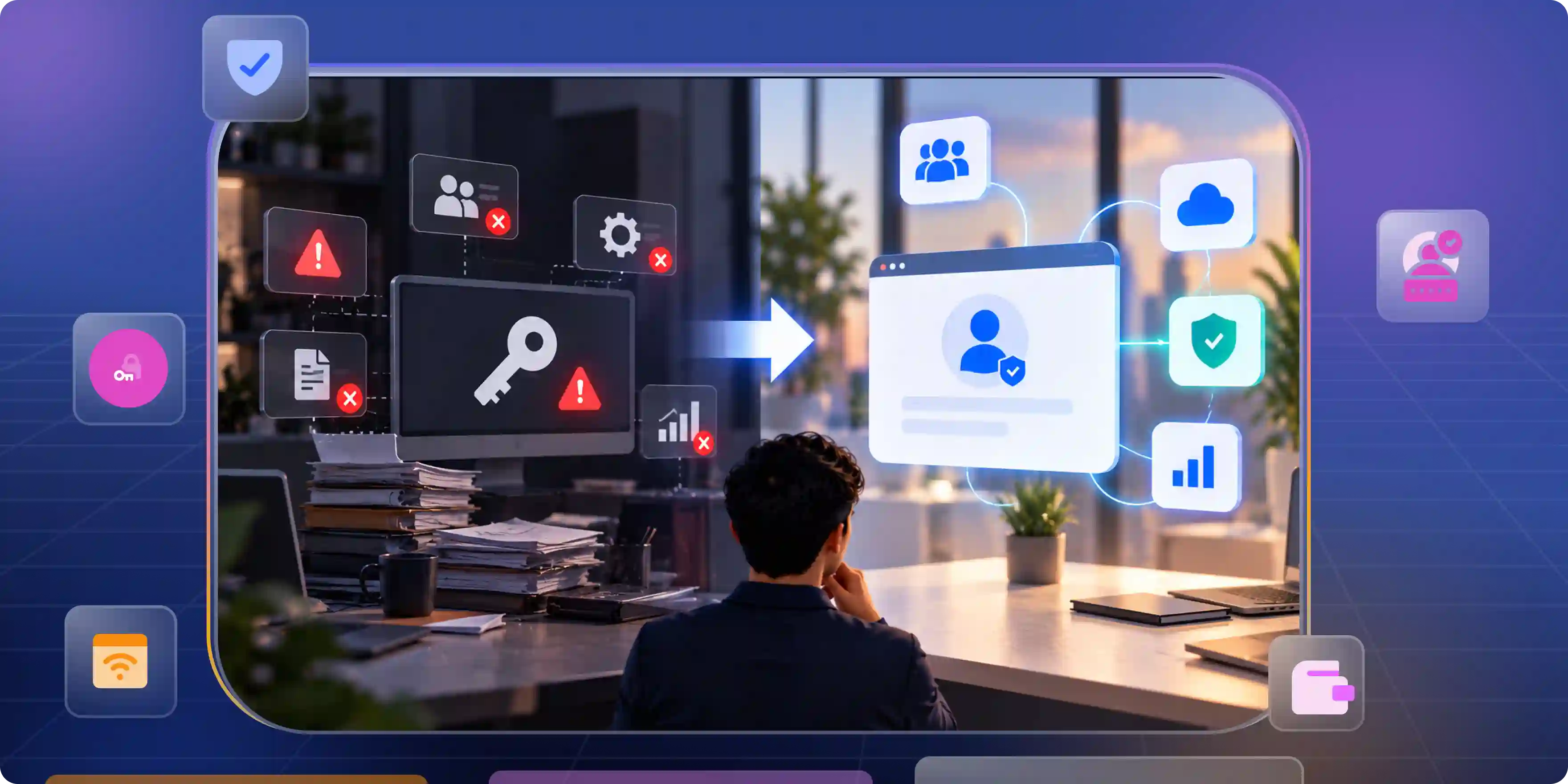

When building a small app, a basic token check works fine. It gets you live fast. But big corporate clients change everything. They demand strict security and clear user controls. Sticking with simple keys ruins sales deals. Your devs spend hours fixing things manually.
Finding a reliable keyauth alternative solves this exact headache. It keeps enterprise buyers happy, unblocks bigger contracts, and lets your team build features instead of fighting old code. No more lost deals or angry customers. Just steady growth and smooth sailing for your growing software company.
Why Teams Start Looking for a KeyAuth Alternative
Looking at CIAM modernization, most coders start with basic tools because they are super fast to set up. Say you build a tiny desktop program. You just check a token against a database and boom, the app opens. Users type a code and get right in.
Then your product grows up. Big companies start looking at it. But corporate buyers do not act like regular single users. They want proper onboarding, strict user controls, and systems that fit their internal rulebooks.
Shifting Corporate Expectations
- Team Purchasing Habits: Big firms buy tools for whole departments at once. They need one master dashboard to handle staff instead of random accounts scattered all over the place.
- Security Review Friction: A simple token check may not be enough to meet all enterprise security requirements. During a security review, teams may find gaps in authentication, access controls, audit logs, or user management. These issues can delay the purchasing process.
Outgrowing Simple Token Checks
- Losing Admin Control: When someone quits their job, shared codes become a security nightmare. Bosses want accounts locked down instantly without manual hassle.
- Custom Code Overhead: Basic scripts fail to match how companies actually run. Your developers waste half their time patching random bugs instead of building actual features.
- Compliance Roadblocks: Businesses may need records showing who accessed their software, when they accessed it, and what they did. A simple key-validation system may not record enough user activity to meet these requirements.
Switching to a real keyauth alternative wipes out these headaches so your startup can close big deals without losing your mind.
What License Key Authentication Was Never Built to Answer
Basic license checks usually verify a key and apply its access rules. However, not all licensing systems offer the same features. Enterprise software may also need organization-level identity management, centralized control, single sign-on, and automatic user account management.
The Limits of Flat Strings
- Missing Company Context: A basic license key does not automatically tell the application how a company is organized or which departments and teams its users belong to. To manage ownership and access at the company level, the application must link the key to the relevant organization records.
- Workspace Isolation Gaps: Validating a license does not automatically keep customer accounts separate. Applications that serve multiple organizations must check each user's permissions and ensure they can access only the data and resources allowed for their organization.
- Analytics Blind Spots: Standard checks only return a pass or fail result. They provide zero data on how internal teams interact with your product features.
Ignoring Lifecycle Realities
- Group Sharing Issues: Without individual user profiles, teams frequently pass a single code around the whole office. This completely breaks per seat pricing models.
- Audit Trail Vacuums: Big companies demand access logs showing who touched specific files and when. Basic token checks never record this kind of history.
- Renewal Disconnects: Subscriptions expire all the time, but simple keys cut off access instantly. Enterprise buyers expect grace periods and easy billing pages so they do not get locked out while payment is processing.
Licensing and Identity Are Two Different Jobs
Lots of builders treat licensing and identity as the same thing. That creates a big mess. Both systems handle completely different tasks. Mixing them together turns your code into a hard to manage puzzle.
Understanding License Management
- Tracking Entitlements: This part tracks what people bought. It watches active features, limits, and subscription dates.
- Payment Processor Bridges: Licensing code talks to checkout software. Its main job is handling money, renewals, and billing cycles.
- Usage Tracking: New systems check things like API calls and active seats. This helps companies charge based on real usage instead of flat rates.
Handling Identity and Access
- Verifying Users: Identity tools check who is logging in. They connect real people to the correct company account.
- Single Sign On Links: These tools hook into corporate login systems. They handle user permissions completely apart from money and billing.
- Session Security: Good identity providers handle extra login security and session limits. These features keep business accounts safe from bad actors.
KeyAuth Alternatives Compared by What They Replace
Choosing a replacement for KeyAuth is not just about finding a new tool. You need to find a solution that fixes the problem you actually have. Different tools solve different parts of your software stack.
Developer Centric B2B Auth Infrastructure
- Targeting SaaS Teams: Ready made tools like PropelAuth and WorkOS handle organization management right away. Your programmers do not have to waste time coding those features from scratch.
- Simplifying SSO Setups: These platforms hook straight into company login systems. Buyers get to use their own corporate credentials without your team doing extra backend work. Supporting multiple IdPs helps address the different login systems enterprise clients use.
- Managing Team Permissions: Everything comes with built in roles and user invites. Office admins can add staff and lock down permissions with just a few clicks.
Full Lifecycle Licensing Platforms
- Protecting Desktop Binaries: Software like Keygen locks apps to physical hardware and handles offline checks. This keeps desktop programs safe from piracy.
- Managing Machine Bindings: These platforms tie your licenses to specific computers. They also make managing free trials and software updates much easier.
- Supporting Air Gapped Setups: Certain corporate clients operate completely offline. Advanced licensing systems let those secure servers check licenses without any internet connection.
Questions to Settle Before You Migrate
Hold on before you rip out your old setup. If your crew rushes to grab some random new tool, you are just going to walk right back into the same mess. Take a breath and look at these points first.
Defining Execution Environments
- Cloud and local apps: Figure out if your code lives in the cloud or runs locally on a desktop machine. Desktop builds need totally different security setups than simple web apps.
- Network limits: Check if your software has to run offline inside locked down client networks. That single factor totally changes how you handle license validation.
- Data rules: Some corporate clients legally mandate that all data stays inside specific borders. That constraint alone might force you to build a self hosted option instead of relying on cloud servers.
Mapping Sales Motions
- Direct buys versus big contracts: Look at how your customers actually pay you. Enterprise deals involve custom invoicing legal reviews and special procurement hurdles.
- Admin ownership: Figure out who controls user management. Big company buyers always demand that their own internal staff handle permissions and team access.
- Support ticket volume: Look at how many emails your help desk gets because people get locked out. Fixing your auth flow cuts down those annoying tickets instantly.
What the Identity Layer Needs to Handle
Selling software to large enterprises changes everything. Standard login pages stop working for them. Big corporate buyers demand tools that plug directly into their current security systems.
Enterprise Security Standards
- Directory Federation Protocols: Teams hate managing separate logins so supporting SAML or OIDC lets workers access your software using their normal company credentials.
- Automated User Lifecycle Sync: When employees leave a company, removing their access manually can take time. SCIM automates account creation, updates, and removal, helping companies manage user access more reliably. However, the time it takes to revoke access depends on directory sync, how the application processes changes, and how active sessions are managed.
- Enforcing Security Policies: Large companies insist on hardware security keys and multi factor verification. Your login stack must support these features to pass corporate audits.
Native Multi Tenancy Design
- Strict Boundary Isolation: Data from different companies must never mix. One business should never see files belonging to another client under any circumstance.
- Granular Role Controls: Office managers need fine control over permissions. They want to stop regular staff members from touching sensitive parts of their app, making B2B identity management an important part of managing access across an organization.
- Cross Organization Switching: Many users work across multiple partner businesses daily. They need to swap workspaces quickly without logging out and back in repeatedly.
Fix the Key Model Before Procurement Fixes It for You
If you wait until a strict security audit forces your hand, you are going to scramble. Big company buyers check permissions and data safety long before they sign any paperwork. Looking at keyauth alternatives early can help you avoid problems later.
Protecting Sales Pipelines
- Passing Security Reviews: When your auth setup is solid, security audits fly by without dragging down your timeline. You get deals signed way quicker.
- Avoiding Bottlenecks: Proper identity tooling scales right alongside your app. It handles massive user growth without forcing your team to rewrite core code later.
- Speeding Up Sales Cycles: Enterprise buyers feel much better moving forward when they see a clean login flow. It builds instant confidence and cuts down months of back and forth.
Avoiding Emergency Refactors
- Preventing Tech Debt: Sorting out your auth model right now stops you from piling up sloppy technical debt that takes weeks to untangle later.
- Building Professional Trust: A smooth sign up experience shows corporate buyers you actually know what you are doing.
- Keeping Morale High: Your engineers can stay focused on shipping cool features instead of constantly patching broken login bugs.
Infisign UniFed handles user login systems for teams building software for other companies. Instead of wasting time building custom login screens from scratch, developers plug this platform in to manage corporate sign ins and user lists automatically. This simplifies security checks and helps sales teams close large deals much quicker.
- Customer Identity tools let companies log in without passwords so software builders can onboard new business clients fast.
- Workforce Identity features handle employee account setups and removals automatically, keeping team permissions straight without any manual hassle.
- Security templates provide clear activity logs that satisfy strict enterprise rules, speeding up final approvals.
Stop letting old tokens block your corporate sales. Head over to the Infisign demo page right now and schedule a meeting with our team to upgrade your software authentication today.
FAQ
What is the best KeyAuth alternative?
The best option depends on your product. If you run a B2B SaaS product, a developer-focused authentication platform may be the right choice. If you sell desktop software, a licensing platform with hardware locking may be a better fit.
How does license key authentication work?
In a license key authentication system, the application sends a key to a server. The server checks if the key is valid, active, and linked to the correct rules before unlocking features.
Is KeyAuth suitable for enterprise software?
KeyAuth works well for consumer software and smaller projects. Enterprise software usually needs advanced features such as audit logs, organizational management, and single sign-on support.
What is the difference between license keys and user-based licensing?
License keys give access through a string of characters. User-based licensing connects access to real users inside an organization. This makes user management and security much easier.


